> For the complete documentation index, see [llms.txt](https://docs.voltera.io/docs/llms.txt). Markdown versions of documentation pages are available by appending `.md` to page URLs; this page is available as [Markdown](https://docs.voltera.io/docs/v-one/learn-v-one/hardware-overview/mounting-the-v-ones-tools.md).
# Mounting the V-One's Tools
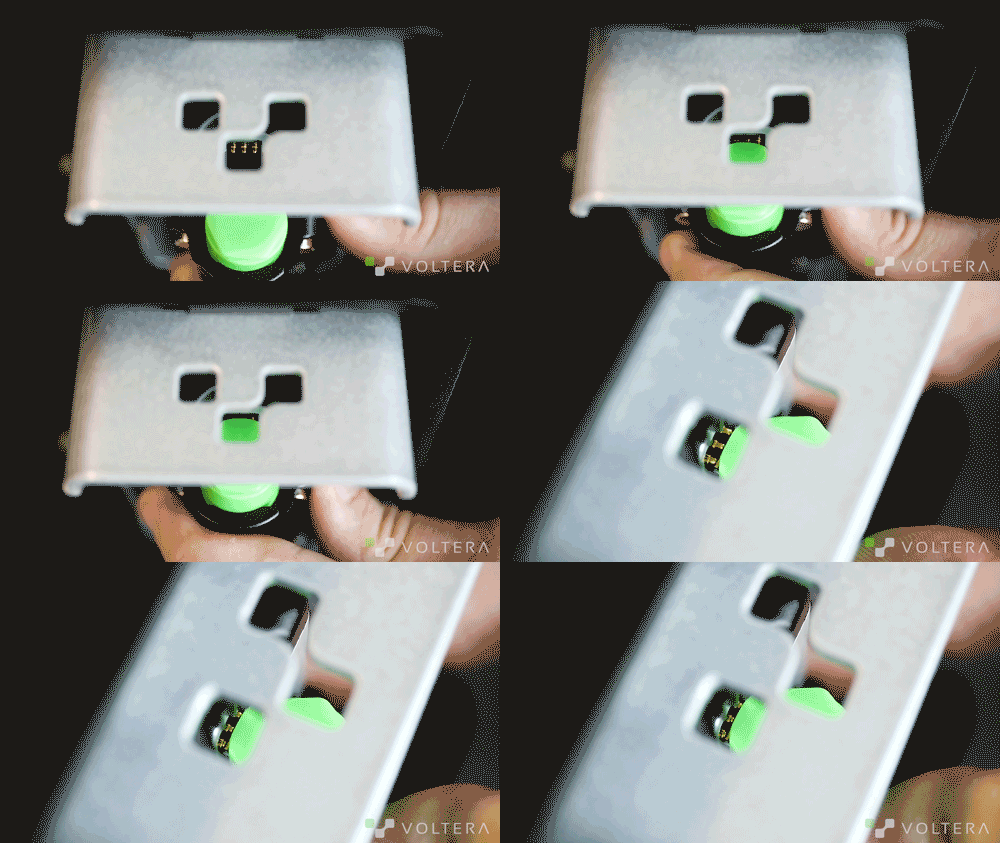
When mounting the probe, dispenser and drill, the contact pads on the tools will make a connection with pogo pins on the V-One’s carriage.
While it is necessary for the pogo pins to be depressed by the tool to form a connection, applying too much force can cause extra wear, and can cause the pins to get permanently pushed in or bent. In order to avoid damaging the pins, it’s important to follow some best practices when you’re mounting the tools.
There are two ways we’d suggest mounting the tools to protect the pogo pins from damage and excessive wear.
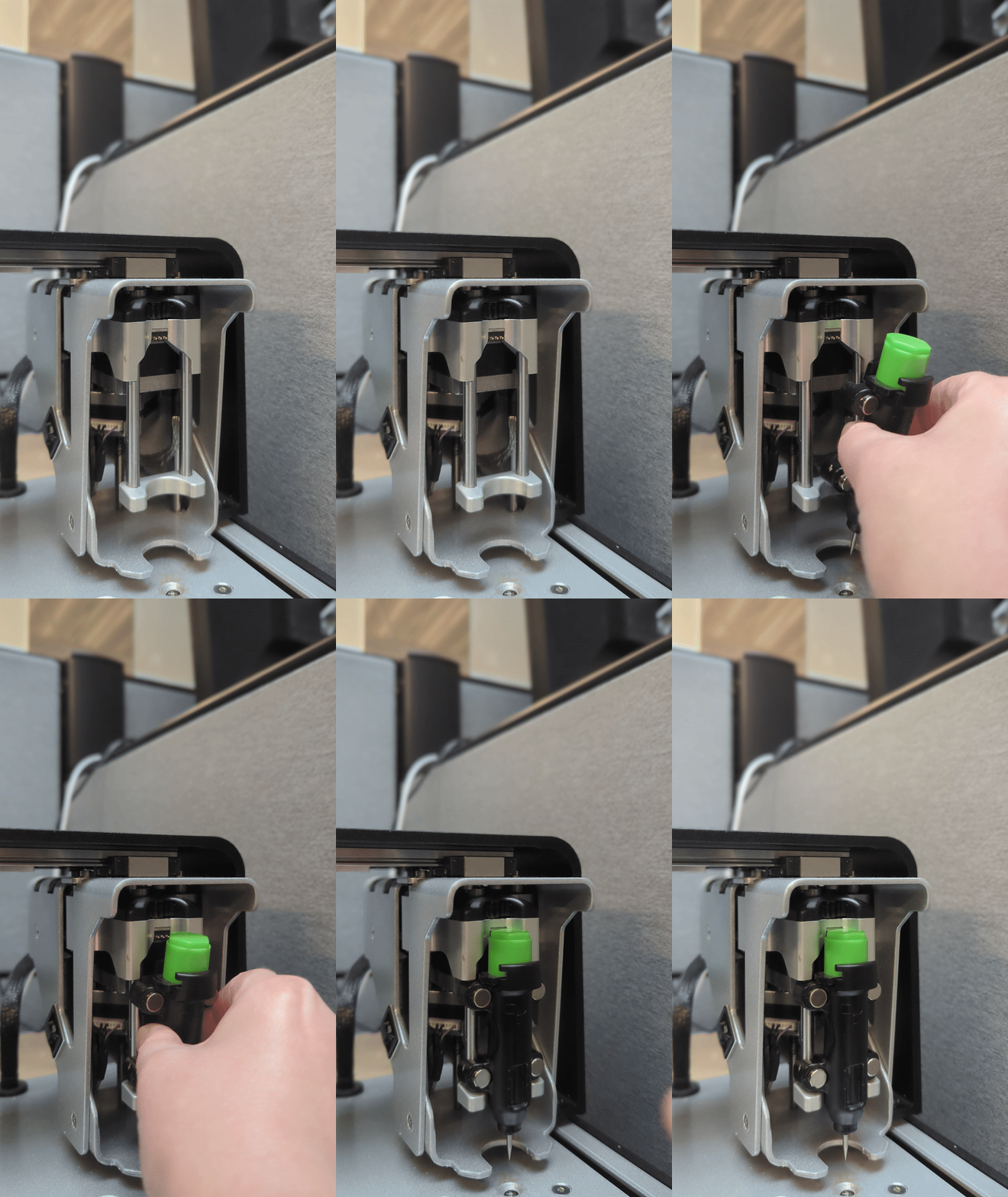
The first option is to mount the tools vertically, beginning at the bottom. Start by placing the lower magnets first, and then allowing the top magnets to connect to the rails.
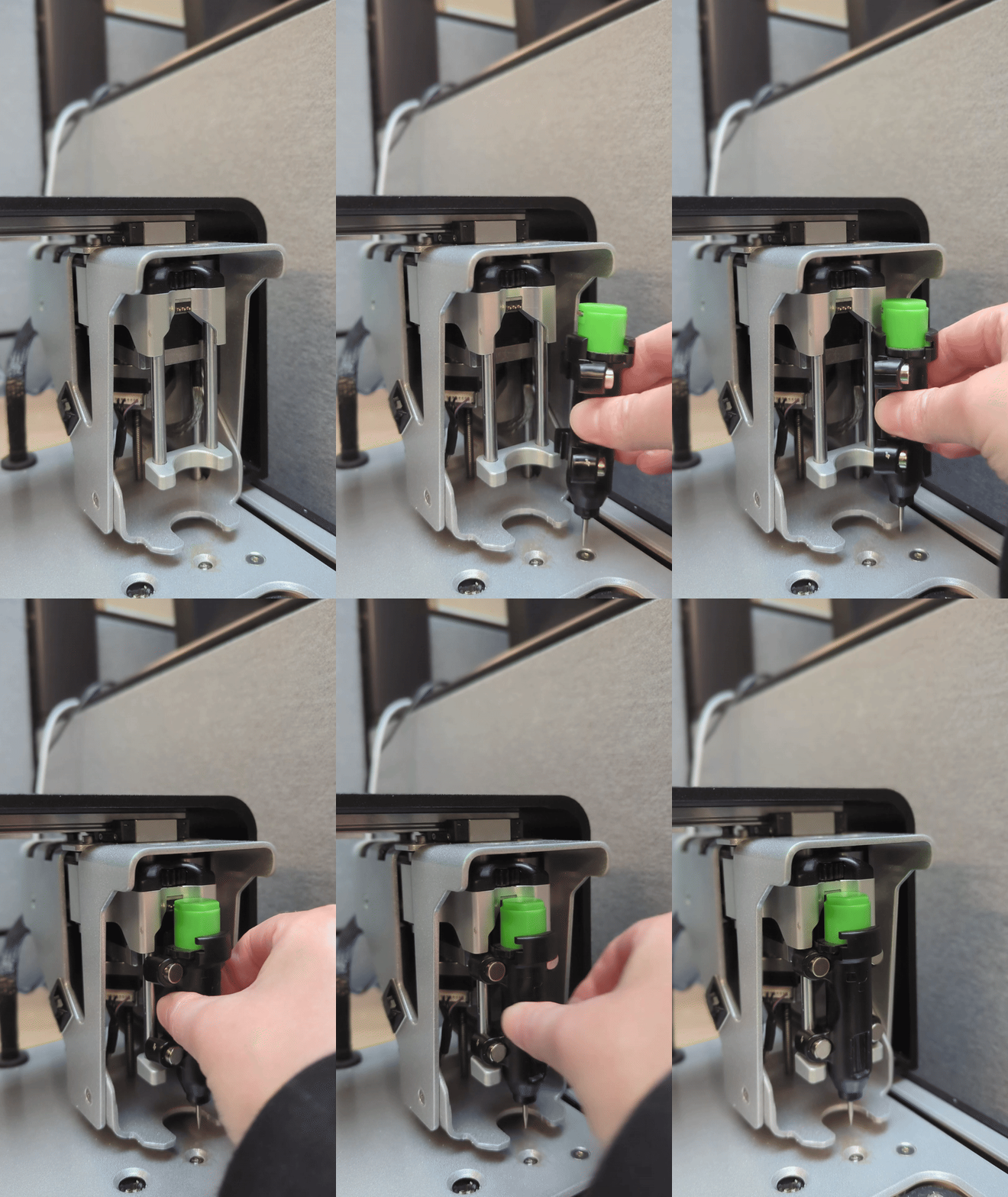
The second option is to mount one side of the tool first. In the example below, you’ll see we placed the right-hand-side magnets onto the rail first and then rolled the probe onto the left hand rails, preventing the connecting pads from bumping the pogo pins too quickly.
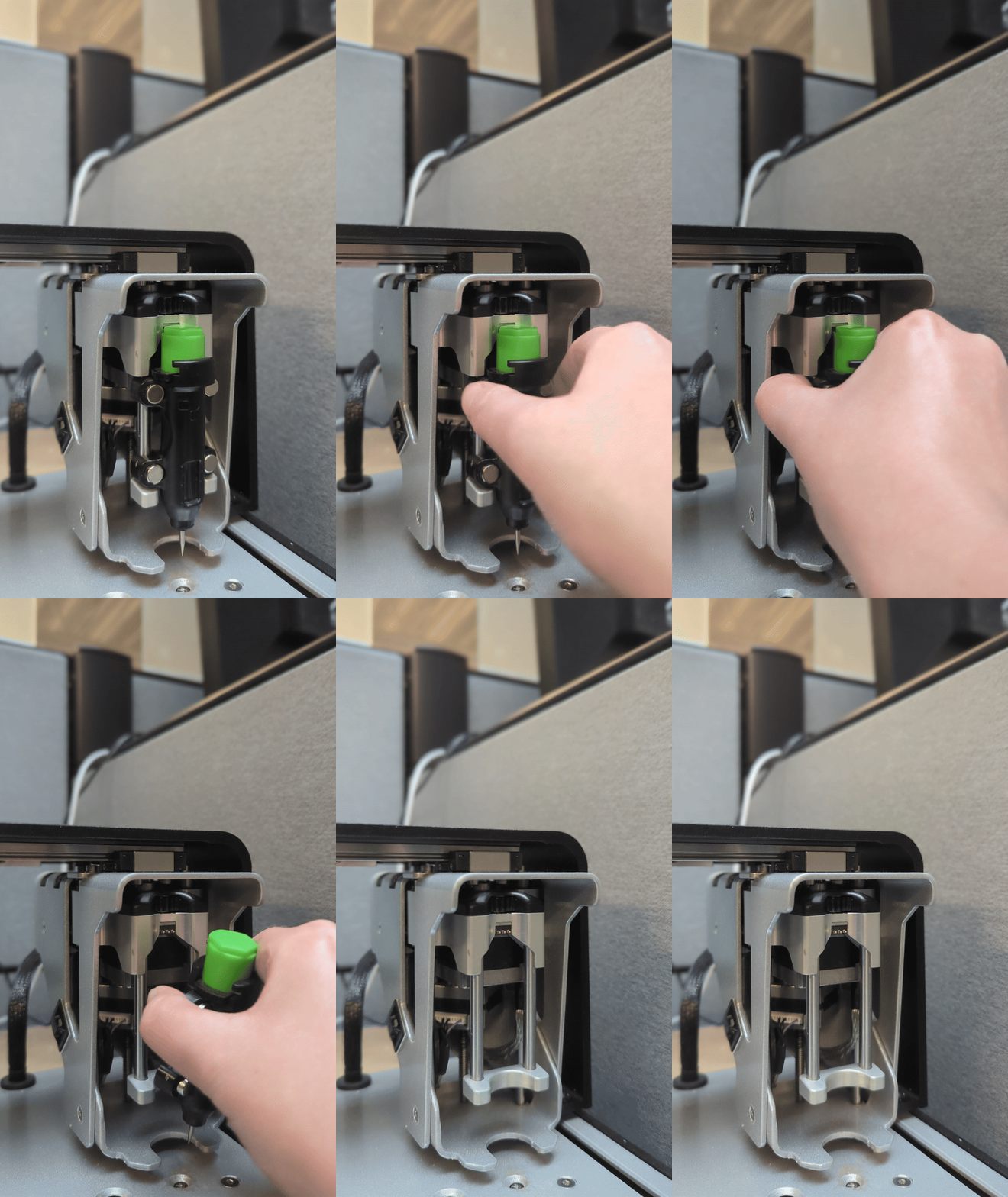
Similarly, when removing the tools from the carriage, you’ll want to make sure you remove the top magnets before removing the bottom magnets, or again, “roll” the tool off of the mounting rails.
{% hint style="danger" %}
Mounting tools from the top first can result in damage to pogo pins. Make sure you're only mounting tools from the side or from the bottom first.
{% endhint %}
---
# Agent Instructions
This documentation is published with GitBook. GitBook is the documentation platform designed so that both humans and AI agents can read, navigate, and reason over technical content effectively. Learn more at gitbook.com.
## Querying This Documentation
If you need additional information that is not directly available in this page, you can query the documentation by asking a question.
Perform an HTTP GET request on the following URL with the `ask` and `goal` query parameters:
```
GET https://docs.voltera.io/docs/v-one/learn-v-one/hardware-overview/mounting-the-v-ones-tools.md?ask=&goal=
```
`ask` is the immediate question: it should be specific, self-contained, and written in natural language.
`goal` is what the user is ultimately trying to achieve, the reason they need the answer. Sharing it helps GitBook give you a better, more relevant answer. A goal is most helpful when it describes the outcome the user wants rather than restating the question. For example, with `ask=how do I create an API token`, a goal like `automate deployments from our CI pipeline` lets GitBook tailor the answer to that use case.
The response will contain a direct answer to the question and relevant excerpts and sources from the documentation.
Use this mechanism when the answer is not explicitly present in the current page, you need clarification or additional context, or you want to retrieve related documentation sections.